



Register to get free articles
Want unlimited access? View Plans
Already have an account? Sign in
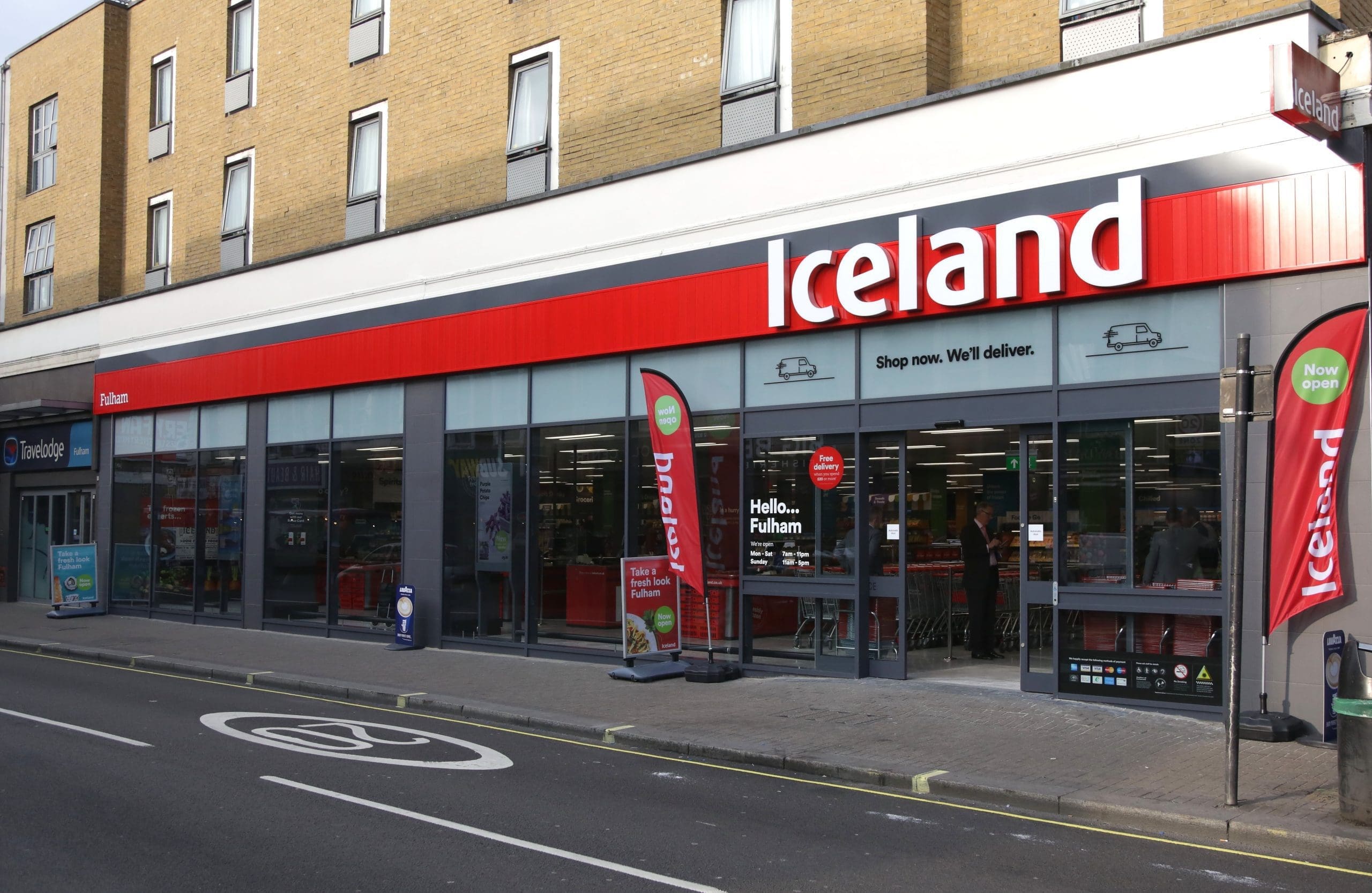
Moody’s has said it is “cautiously optimistic” over Iceland Foods’ financial future and prospects of tackling its bond debt, despite the group reporting “weaker” than expected results.
According to The Grocer, Moody’s statement, which covers results published to bond holders by Iceland VLNCo, gave an insight into the company’s leverage against its £800m bond debt and expected performance over the coming months.
It follows previous concerns that the supermarket may not be able to pay back its bond debt, having been hit by soaring energy costs in recent years.
In its last full-year results, Iceland fell to a loss of £17.1m following a “wholly unprecedented” rise in global energy costs. The group saw a £93.6m rise in energy costs, which it attributed to the global surge in wholesale prices following Russia’s invasion of Ukraine.
EBITDA totalled £289m, which had remained broadly flat against £284m Moody’s forecasted in September.
Moody’s said this meant that Iceland’s gross debt to EBITA ratio was 5.2x, which was higher than the 5.1x in September, and the 4.5x initially predicted by the agency.
Despite the “somewhat weaker” than expected results, Moody’s said it “currently still expects the company to reduce its debt and its Moody’s adjusted gross debt to EBITDA leverage ratio over the next 12-18 months”.
In the three months prior to December, Iceland had seen its gross debt rise by £40m from £1.44bn, as a result of a store expansion programme. The majority of this is through a new lease liability on a new warehouse and distribution facility set to open in Warrington in 2025.
Despite the “positive outlook”, Moody’s did not upgrade Iceland’s credit rating, citing Kantar data over the second half 2023, which showed its share of the UK grocery sector remained “largely flat”.