
Register to get free articles
Want unlimited access? View Plans
Already have an account? Sign in
Retail sales fell by 1.6% in August this year, due to rising prices and cost of living which are affecting sales volumes, according to the Office of National Statistics (ONS).
All main sectors, food stores, non-food stores, non-store retailing and fuel, fell over the month; which happened in July 2021, when all legal restrictions on hospitality were lifted.
The report found that non-food stores sales volumes fell by 1.9% over the month, following falls in each of its sub-sectors: other non-food stores (negative 2.8%), department stores (negative 2.7%), household goods stores (negative 1.1%) and clothing stores (negative 0.6%).
Non-store retailing, predominantly online retailers, saw sales volumes fall by 2.6% in August 2022; despite this fall, sales volumes were 24.4% above its February 2020 levels.
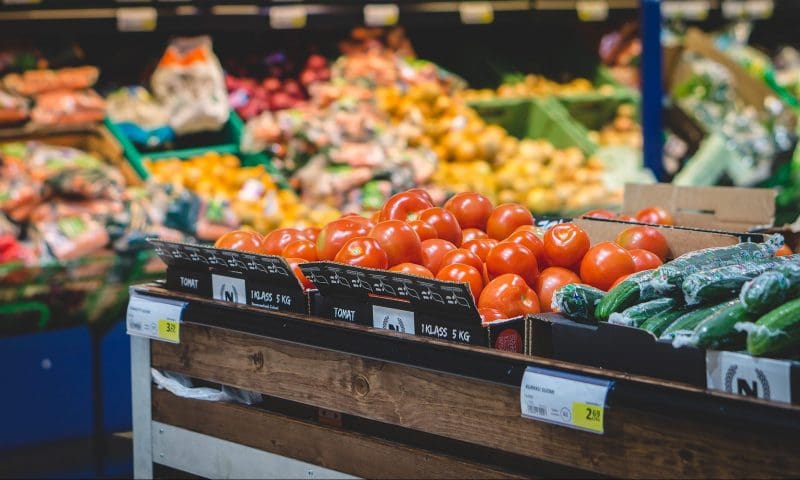
Food store sales volumes fell by 0.8% in August 2022, which leaves them 1.4% below their pre-Covid-19 levels in February 2020.
The proportion of retail sales online also fell to 25.7% in August 2022 from 26.3% in July 2022; despite this fall, it remains significantly above pre-Covid-19 levels (19.8% in February 2020).
Commenting on the figures, Lisa Hooker, industry leader for consumer markets at PwC, said: “After July’s surprise month-on-month increase, retail sales reverted to recent trend, with every category of the sector seeing volume declines. On an annual basis, this decline has been masked by inflation, with overall retail sales excluding petrol rising by 3.7% in pound note terms, but declining by 5.0% in volume terms. Shoppers are simply buying less to offset price increases.
“Prices for goods and services, and particularly for non-discretionary goods such as groceries, continued to soar, as retailers have been forced to pass through unprecedented input cost increases to shoppers.”
She added: “And for the first time, grocery sales volumes, taking out the impact of the inflation, actually fell below pre-pandemic levels, showing that shoppers are wasting less and being forced to be more careful with what they put in their trolleys.
“As we approach the critical Golden Quarter in the run up to Christmas, retailers will be looking with anticipation to the outcome of next week’s mini-budget. The confirmation of an energy price cap and possibility of tax cuts may boost wavering consumer spending, but businesses will also be looking for help to alleviate soaring utility costs of their own.”