
Register to get free articles
Want unlimited access? View Plans
Already have an account? Sign in
The big four – Tesco, Sainsbury’s, Asda and Morrisons – were once the undisputed favourites for supermarket shopping. However, when the drastic cost-of-living crisis emerged in 2021, it made many households rethink their priorities when it came to buying their essentials and non-essentials.
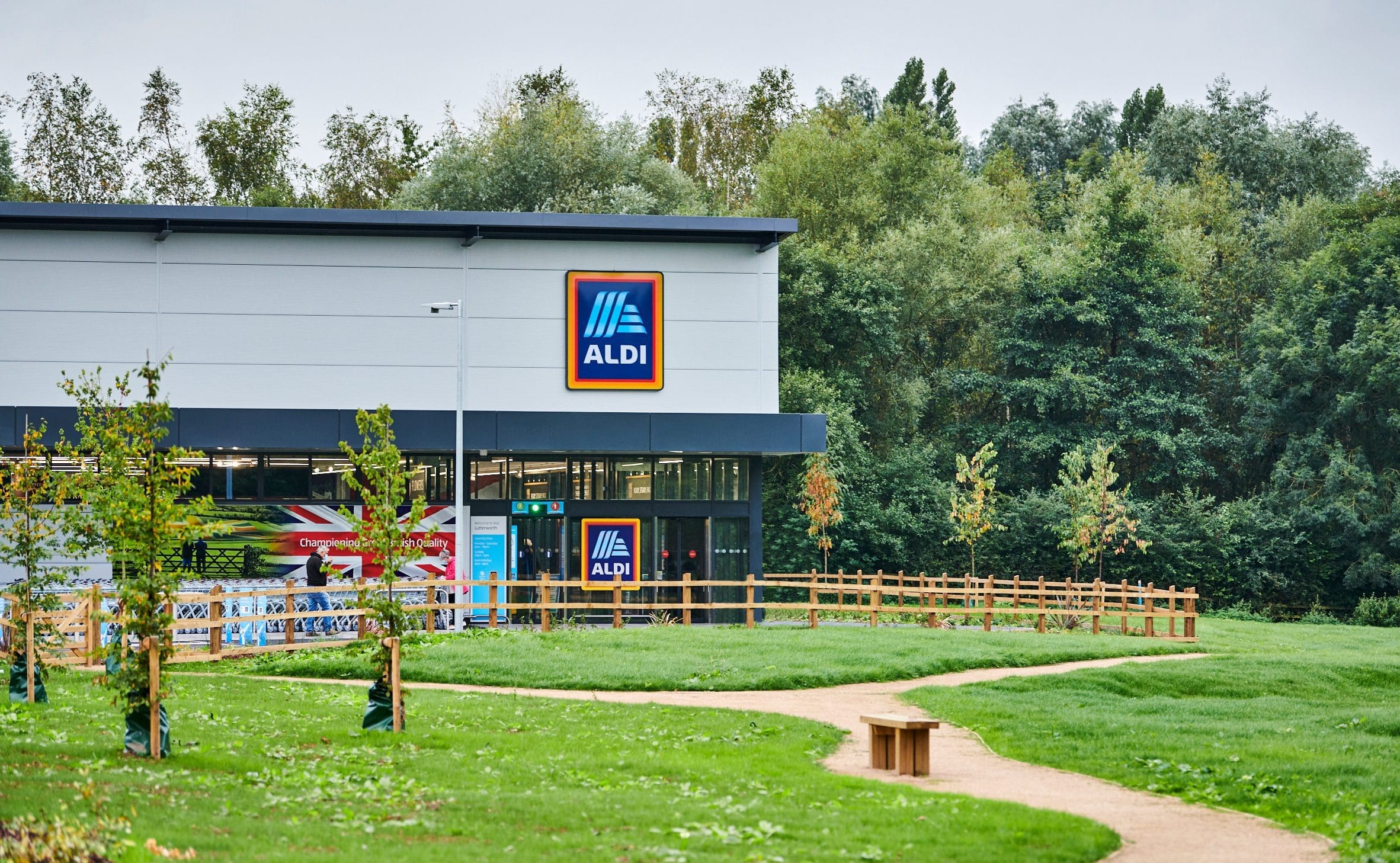
At the tail end of 2022, Aldi kicked Morrisons out of its spot in the ‘big four’, so-called to distinguish them as favourites among the nation. And no wonder; during December, the budget supermarket chain topped £1.4bn in sales for the first time in its history. Christmas trading for Aldi saw an overall increase of 26%, which shows how many people have had to stray from their regular routines this festive season.
At the time, Giles Hurley, CEO of Aldi UK&I, said: “As the UK’s cheapest supermarket, we were able to help shoppers enjoy the Christmas they deserved and provide them with the highest quality products at the most affordable prices.”
Aldi sold more things across the board in this record-breaking trading period, as fresh meat sales increased by 28%, chilled desserts and fresh cheeses by 30% and 50% respectively, with snacks increasing by 40%.
As four in 10 people reportedly kept to a strict shopping list by the end of 2022, consumers have shown to have become less picky when it comes to purchasing own-label foods. According to data from Barclaycard, almost half (47%) of consumers are sticking to supermarket brand items. It could be inferred that consumers becoming more aware of dupes for name-brand products played a part in Aldi’s record sales.
It’s not far-fetched to imagine that in the very near future the big four may be dominated by budget brands, as Lidl also became 1.3 million British shoppers richer over Christmas since the hike in cost-of-living. The Friday before Christmas was said to be the German retailers’ busiest ever.
In fact, Lidl’s market share is just behind Aldi’s at 7.2%, according to Kantar.
However, it could be argued that Tesco and Asda, which are still members of the big four, are themselves budget supermarkets. After Aldi and Lidl, the two are said to be the cheapest for a big shop of 48 items at £87.60 and £87.66 respectively.
Aldi and Lidl have been in the UK since 2008, with their arrival punctuating the financial crisis that saw many people struggle in the same ways they are now. This could mean that their popularity is temporary, and that once people become more financially secure, splurging in Waitrose will become more frequent.